Wisdom Teeth Removal Complications: Warning Signs to Watch For
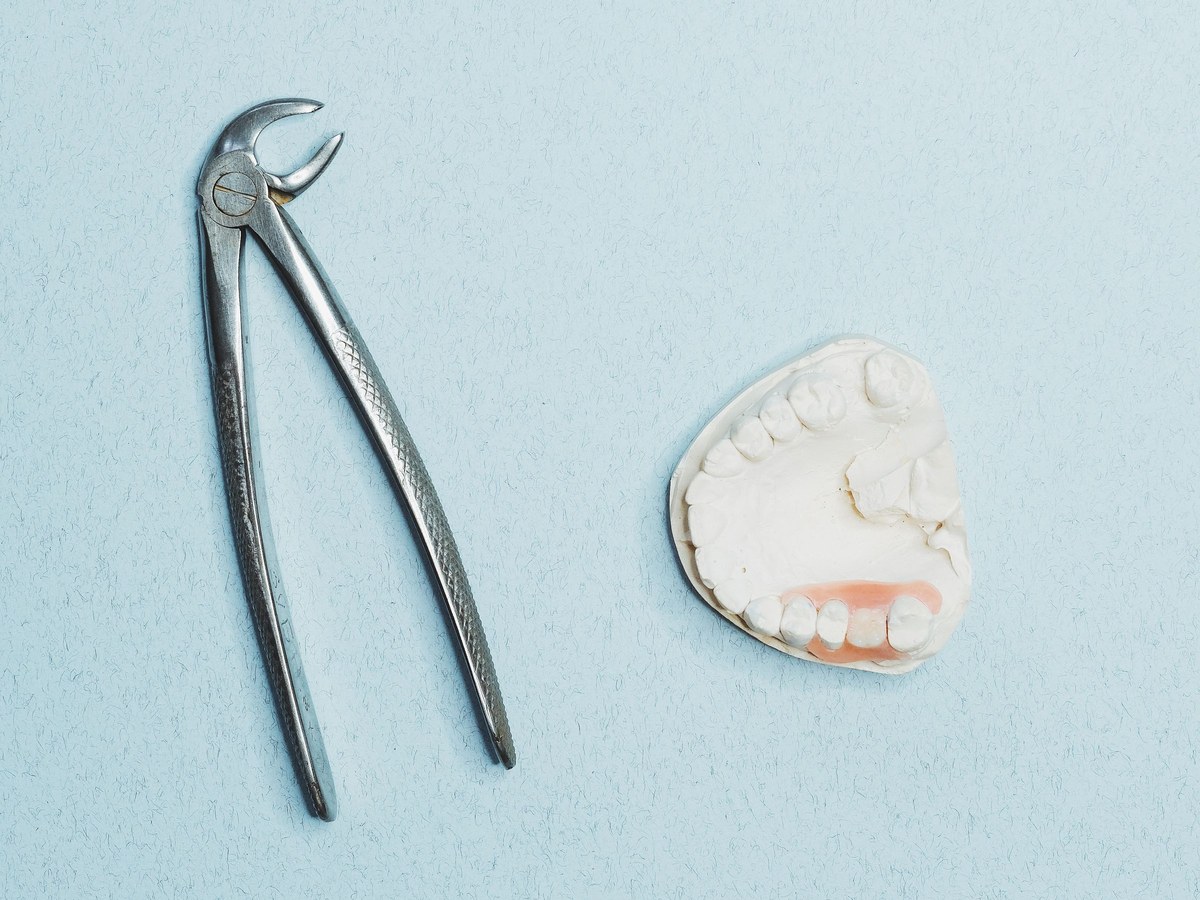
Wisdom teeth removal is one of the most common oral surgery procedures, and most people recover without serious trouble. Even so, the phrase "routine procedure" can give patients a false sense of security. I have seen plenty of recoveries that went exactly as expected, with swelling for a few days, a soft-food diet, and gradual improvement by the end of the first week. I have also seen the opposite, where a patient assumed something was normal for too long, or panicked over symptoms that were uncomfortable but expected.
The difference often comes down to knowing what belongs in a typical recovery and what suggests a complication. That distinction matters, because timing matters. A dry socket treated on day two or three is miserable but manageable. A spreading infection ignored for an extra day can become much more serious. The same goes for uncontrolled bleeding, medication reactions, and nerve symptoms that deserve prompt evaluation.
If you are recovering from wisdom teeth removal, or caring for someone who is, it helps to think in terms of patterns. Is the pain improving, holding steady, or sharply worsening? Is the swelling peaking and then easing, or becoming harder and more pronounced? Are you able to drink, rest, and keep medications down, or are things moving in the wrong direction? Those patterns tell the story better than any single symptom in isolation.
What a normal recovery usually looks like
The first 24 hours after surgery are often the messiest. Some oozing from the extraction sites is common. The saliva may look more dramatic than the actual blood loss, because a small amount of blood can tint saliva bright red or pink. Swelling usually builds over the first two to three days. Jaw stiffness is common, especially after difficult extractions or impacted lower wisdom teeth. Mild bruising can show up along the cheeks or jawline, sometimes even extending down the neck.
Pain tends to be strongest in the first several days and then slowly improves. That improvement is not always perfectly smooth. Many patients feel somewhat better, then have a rough morning after sleeping with their mouth open, skipping fluids, or trying to eat something too ambitious. That alone does not mean something is wrong.
Most oral surgeons tell patients to expect a week of real inconvenience, and that is a fair estimate. Soft foods, careful rinsing, limited activity, and regular pain control are part of the process. Lower wisdom teeth often recover more slowly than upper teeth, especially when they were deeply impacted or close to the nerve canal. People in their late twenties or older may also notice a harder recovery than teenagers do.
What you should want to see is a general trend toward improvement. That trend can be slow, but it should still be visible. When the course turns sharply in the other direction, it is time to pay attention.
The warning signs that deserve a closer look
Not every complication announces itself dramatically. Some begin with a subtle change, a new smell, a pain that shifts character, swelling that feels tighter rather than softer. A good rule is this: if symptoms are not following the expected arc, contact the surgeon's office. Most offices would rather answer a cautious phone call than see a problem worsen.
Here are the symptoms that most often justify a call:
- Bleeding that remains heavy or restarts forcefully after the first day
- Pain that becomes much worse after initial improvement, especially on days three to five
- Swelling that keeps increasing after day three, or swelling that affects swallowing or breathing
- Fever, foul taste, pus, or a strong bad odor from the mouth
- Numbness that persists or worsens beyond the immediate anesthetic period
Each of those signs can mean different things, and context matters. A low-grade temperature after surgery can happen, especially if someone is dehydrated. Brief tingling in the lip after local anesthesia can also be expected. What raises concern is persistence, progression, or a cluster of symptoms appearing together.
Dry socket, the complication patients hear about most
Dry socket is common enough that many patients fear it before surgery, but few know what it actually feels like. The medical term is alveolar osteitis. It happens when the blood clot in the extraction site breaks down too early or becomes dislodged, leaving bone and nerves exposed. It is much more common in lower wisdom teeth than upper ones.
The typical story is very recognizable. A patient has expected soreness after wisdom teeth removal, then around day three or four the pain suddenly ramps up. Instead of feeling localized tenderness at the extraction site, they describe a deep, throbbing ache that radiates to the ear, temple, or side of the face. Over-the-counter pain relievers that had been helping may suddenly seem useless. Some notice a bad taste or odor, though not always.
Dry socket is painful, but it is not usually dangerous in the way an infection can be. The main issue is suffering and delayed healing. Still, no one should try to simply tough it out. Treatment in the office often brings real relief. The surgeon may gently clean the site, place a medicated dressing, and review home care. Patients are often surprised by how quickly the pain begins to settle once the area is treated.
Risk factors include smoking, forceful spitting, using a straw, vigorous rinsing too early, difficult extractions, and in some cases oral contraceptive use. That does not mean every patient with dry socket caused it by doing something wrong. Some people follow instructions carefully and still develop it.
Infection after wisdom teeth removal
Infections can overlap with normal post-operative symptoms at first, which is why they are sometimes missed. Swelling, discomfort, and limited mouth opening already belong to the recovery picture. The clues are in the direction and severity of symptoms.
A concerning infection often causes swelling that becomes firmer, warmer, and more pronounced rather than easing after the second or third day. Pain may intensify instead of fading. There may be a foul taste, visible drainage, or pus near the extraction site. Some patients develop fever, swollen lymph nodes, or feel generally unwell and run down. Others notice that swallowing becomes painful, or that opening the mouth is increasingly difficult.
Those last symptoms deserve prompt attention. An infection in the mouth can spread into deeper facial spaces. That is not the usual course, but when it happens it can become serious quickly. If swelling is making it hard to swallow, speak, or breathe, that is an urgent situation, not something to monitor casually overnight.
A practical detail many people do not realize is that antibiotics do not instantly fix an oral infection. Even when the correct antibiotic is prescribed, the extraction site may need to be irrigated or evaluated for trapped debris. If there is a retained fragment, poor drainage, or another mechanical issue, medication alone may not fully solve the problem.
Bleeding that goes beyond normal oozing
Some blood after wisdom teeth removal is expected. True heavy bleeding is less common, but when it happens it gets attention fast. The challenge is that patients often describe any red saliva as "bleeding a lot," while others underestimate steady blood loss because it has mixed with saliva.
Normal oozing tends to stain gauze and saliva lightly, then taper. Concerning bleeding saturates gauze repeatedly, pools in the mouth, or seems difficult to control despite firm pressure. It can restart if a clot is disturbed by spitting, smoking, rinsing too hard, or strenuous activity. Patients taking blood thinners, even common ones like aspirin in some settings, may need more careful post-operative guidance.
Wisdom Teeth RemovalOne point worth emphasizing is technique. A patient who loosely bites on gauze for ten distracted minutes often gets poor control, then assumes the problem is severe. Firm, continuous pressure for 30 to 60 minutes is more effective. A dampened black tea bag can sometimes help because of the tannins, but if bleeding remains brisk or the patient feels lightheaded, the surgeon should be contacted. Persistent bleeding is not something to solve with internet folklore and crossed fingers.
Nerve irritation and numbness
Temporary numbness after lower wisdom teeth removal is a known risk, especially when the tooth roots sit close to the inferior alveolar nerve or lingual nerve. Most patients who experience altered sensation improve over time, but it is still unsettling. The lip may feel thick, the chin may tingle, or the tongue may feel numb or strangely sensitive.
The important distinction is between numbness that clearly belongs to lingering anesthetic effects and numbness that persists well beyond that window. If hours pass and the area remains significantly numb, or if sensation changes appear after initially seeming normal, the surgeon should know. Persistent numbness does not always mean permanent injury. In many cases, the nerve has been bruised or irritated rather than severed. Recovery can take weeks or months.
Patients often ask what to watch for besides simple numbness. Burning, electric shock sensations, altered taste on one side of the tongue, drooling because the lip does not feel normal, or repeated biting of the numb area all matter. These symptoms deserve documentation and follow-up, even if the office initially advises observation.
When swelling is normal, and when it is not
Swelling is one of the most predictable parts of wisdom teeth removal recovery. It often peaks around 48 to 72 hours. The face can look noticeably asymmetric. The cheeks may feel warm and taut. Opening the mouth can be frustrating. None of that automatically signals trouble.
What raises concern is swelling that keeps growing after the expected peak, becomes sharply painful, or begins affecting function. A patient who says, "My cheek was puffy yesterday, but today my throat feels tight and I cannot swallow well," is describing something very different from normal post-operative puffiness. Likewise, if one side is suddenly much larger, redder, and more tender than the other after several days, infection or a hematoma moves higher on the list.
I remember one patient who was convinced she had a major complication because both cheeks were dramatically swollen on day two. The swelling looked impressive, but her pain was controlled, she had no fever, and she could drink without difficulty. Another patient called with what sounded like modest swelling, but he mentioned that his voice sounded different and he was struggling to swallow saliva. That second call mattered more. Severity is not only about appearance. Function tells you a great deal.
Jaw stiffness, limited opening, and muscle spasm
After difficult lower extractions, the jaw muscles can become inflamed and guarded. Patients may notice trismus, meaning they cannot open very wide. Usually this improves gradually with time, hydration, medication, and gentle movement once the surgeon says it is appropriate. It can feel alarming, especially if someone tries to force the mouth open and finds it suddenly resists.
There is a point, though, where reduced opening deserves review. If trismus is worsening rather than improving, especially along with fever, swelling, or worsening pain, it may reflect infection or more significant inflammation. If the jaw feels locked, if there is severe pain near the joint, or if the patient cannot take in enough fluids because opening is so limited, the office should be contacted.
This is also an area where overdoing recovery exercises can backfire. A small amount of gentle movement is different from repeatedly stretching the jaw aggressively because someone on social media recommended it. Fresh surgical sites do not benefit from heroic self-treatment.
Nausea, dehydration, and medication problems
Not every complication comes from the extraction site itself. Sometimes the real issue is the way recovery affects eating, drinking, and medication tolerance. Nausea after wisdom teeth removal is common, especially when prescription pain medication is taken on an empty stomach, when blood has been swallowed, or when anxiety is high. Vomiting can disrupt clots, worsen pain, and make hydration harder.
Dehydration sneaks up quickly, particularly in teenagers and young adults who sleep most of the day, avoid drinking because swallowing hurts, or feel too nauseated to take in much. Dry lips, dark urine, dizziness, headache, and a racing heart when standing are clues. Dehydration makes everything feel worse, including pain.
Medication reactions also get overlooked. A rash, severe stomach upset, facial itching, wheezing, or swelling unrelated to the normal surgical pattern may reflect a drug issue rather than a dental complication alone. Antibiotics can cause gastrointestinal side effects. Opioid pain medication can bring constipation, sedation, or nausea. If a patient seems confused, unusually sleepy, or cannot keep medication down, the plan may need to change.
The smell or taste that should not be ignored
A bad taste in the mouth can happen briefly as old blood breaks down. That alone is not diagnostic. Still, a persistent foul taste or smell deserves attention, particularly if it appears with increasing pain, swelling, fever, or visible discharge. Food can collect in healing extraction sites and cause unpleasant odor without true infection, which is why follow-up evaluation matters. Sometimes the solution is straightforward irrigation and better home care. Other times it reveals dry socket, infection, or a trapped fragment.
Patients often hesitate to mention this symptom because it feels minor or embarrassing. It is neither. Oral surgeons hear this every day, and it can be one of the earliest clues that recovery is not going smoothly.
When to call the surgeon, and when to seek urgent care
Most post-operative concerns should start with the oral surgeon's office. They know the details of the procedure, the degree of difficulty, any root proximity to nerves, and the medications prescribed. A quick call can often sort out whether a symptom fits the expected range or needs an exam.
Certain situations should not wait for routine office advice. Trouble breathing, throat-tightening swelling, inability to swallow saliva, uncontrolled heavy bleeding, chest symptoms, or signs of a severe allergic reaction belong in urgent or emergency care. Patients sometimes waste time trying to reach the perfect person when the real priority is immediate safety.
A useful rule is to ask two questions. First, is this getting steadily worse rather than better? Second, is it affecting basic function such as breathing, swallowing, drinking, or staying alert? If the answer to either is yes, act sooner.
The small decisions that lower complication risk
Good recovery is often shaped by unglamorous habits. The people who do well are not always the ones with the easiest surgery. Often they are the ones who respect the first few days of healing. They rest, keep up with fluids, avoid smoking, and follow instructions even when they feel impatient.
The basics that matter most are simple:
- Keep firm pressure on gauze as instructed, rather than checking the site every few minutes
- Avoid smoking, vaping, straws, forceful spitting, and vigorous rinsing in the early healing period
- Stay ahead of pain with the prescribed plan, but take medications exactly as directed
- Prioritize fluids and soft foods, even if appetite is poor
- Contact the office early if symptoms are worsening instead of waiting several more days
I have seen patients create problems simply because they felt almost normal too soon. They returned to the gym the next day, ate sharp foods, smoked "just once," or ignored escalating pain because they assumed healing had to be ugly. Recovery is more forgiving when the first few days are treated like actual surgical recovery, not a minor inconvenience.
Why follow-up matters more than people think
Patients sometimes skip a recheck because they do not want to bother the office, they live far away, or they assume nothing useful can be done. That is a mistake. A brief post-operative visit can reveal trapped debris, early dry socket, delayed healing, excess inflammation, or a medication issue that is easily corrected. It can also provide reassurance, which has value of its own. Not every scary-looking extraction site is a problem. Healing tissue often looks white, yellow, or uneven, and many patients misread that as infection.
There is also a psychological side to wisdom teeth removal that should not be dismissed. Pain inside the mouth feels close, consuming, and hard to ignore. Sleep disruption makes everything seem worse. Patients who know what their surgeon considers normal tend to recover with less fear and fewer late complications, because they recognize when to wait and when to act.
A practical way to judge your own recovery
If you want one clear framework, watch the trend over the first week. The details vary from person to person, but the broad pattern should move toward less pain, less swelling, better mouth opening, and easier eating and drinking. A brief plateau can happen. A sudden reversal deserves attention.
Pay special attention around days three to five. That window is where dry socket often declares itself and where infections that were brewing can become more obvious. If pain intensifies sharply, if swelling is still climbing, or if fever and foul drainage appear, pick up the phone. Wisdom teeth removal is common, but complications are easier to manage when they are recognized early.
The safest mindset is neither alarmist nor dismissive. Expect discomfort, swelling, and inconvenience. Do not expect severe worsening after early improvement, trouble swallowing, uncontrolled bleeding, or persistent numbness to simply work themselves out. Those are the warning signs worth respecting.
Oxnard Dentistry
1730 E Gonzales Rd, Oxnard, CA 93036, United States
+1 805-307-8731
FAQ About Wisdom Teeth Removal
How painful is it to remove a wisdom tooth?
Local anesthetic numbs the area during extraction. Pressure may still be noticeable; tell the dentist if you feel pain. Soreness and swelling afterward are common. Follow the pain-control instructions provided for your situation.
How long is recovery for wisdom teeth extractions?
Recovery varies with the tooth position and complexity of the extraction. Some people resume routine activities quickly, while others need several days of rest. Soreness, swelling and jaw stiffness can last up to two weeks. Follow your clinician's aftercare and activity advice.
What are the risks of wisdom tooth removal?
Possible complications include dry socket, infection, persistent bleeding and changes in sensation from nearby nerve injury. Your dentist or oral surgeon should explain your individual risks before treatment. Seek prompt dental advice for bleeding that will not stop, fever, or severe or worsening pain and swelling.