Can Veneers in Oxnard CA Whiten Your Smile Instantly?
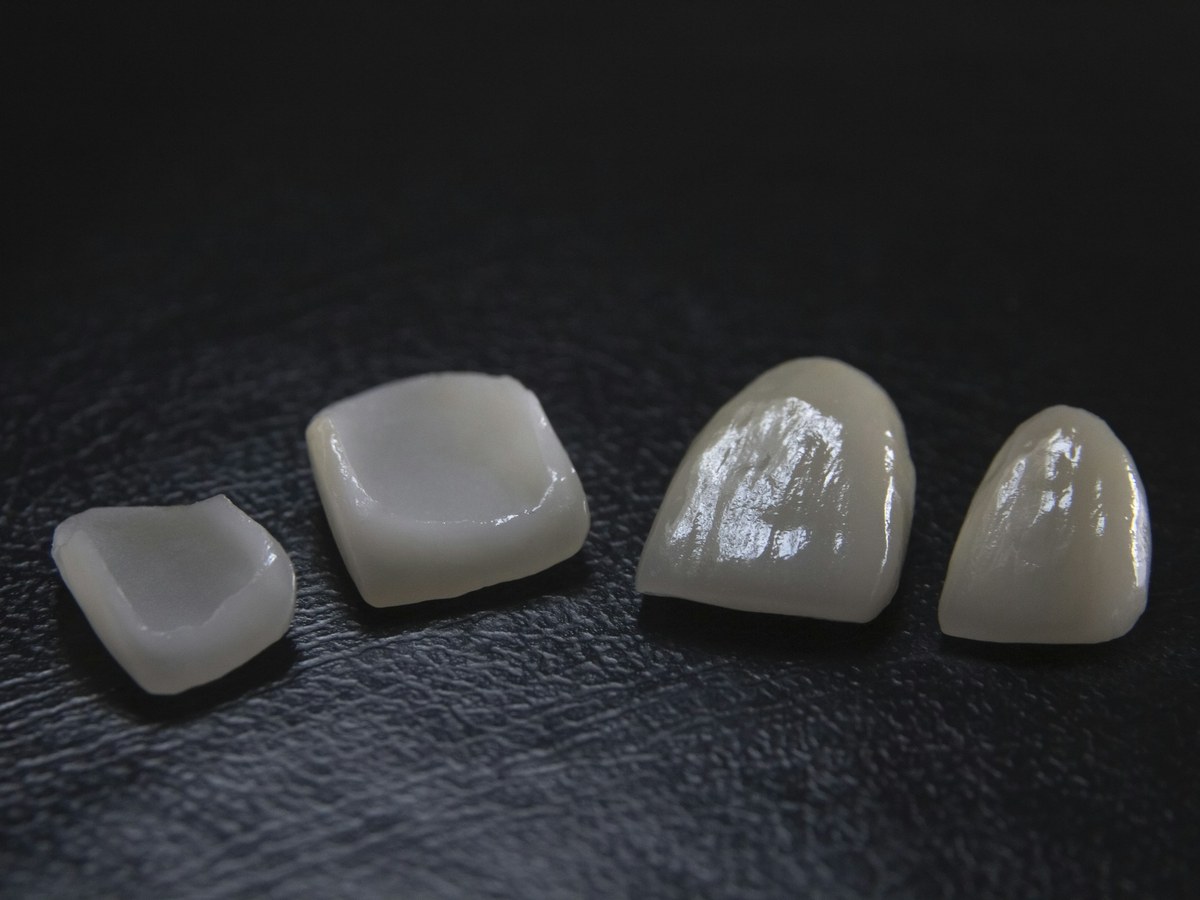
A brighter smile is one of the most common goals patients mention when they walk into a cosmetic dental office. Some want to erase years of coffee and red wine stains. Others are frustrated by teeth that never looked white, even after over the counter strips, whitening toothpaste, and a few rounds of professional bleaching. When people ask whether veneers can whiten a smile instantly, the short answer is yes, with an important caveat: veneers do not bleach your natural teeth. They cover the front surface of selected teeth with a custom-made shell that is designed in a lighter shade.
That distinction matters. If your goal is a smile that looks dramatically brighter as soon as treatment is complete, veneers can absolutely deliver that result. If your goal is to make every natural tooth in your mouth biologically whiter, veneers are not the mechanism. They are a cosmetic restoration, not a whitening chemical.
For many patients considering Veneers Oxnard CA, that difference is exactly why veneers are so appealing. Whitening works well for certain kinds of discoloration, but it has limits. Veneers can bypass some of those limits and create a more controlled, more predictable change in color.
Why veneers can look like instant whitening
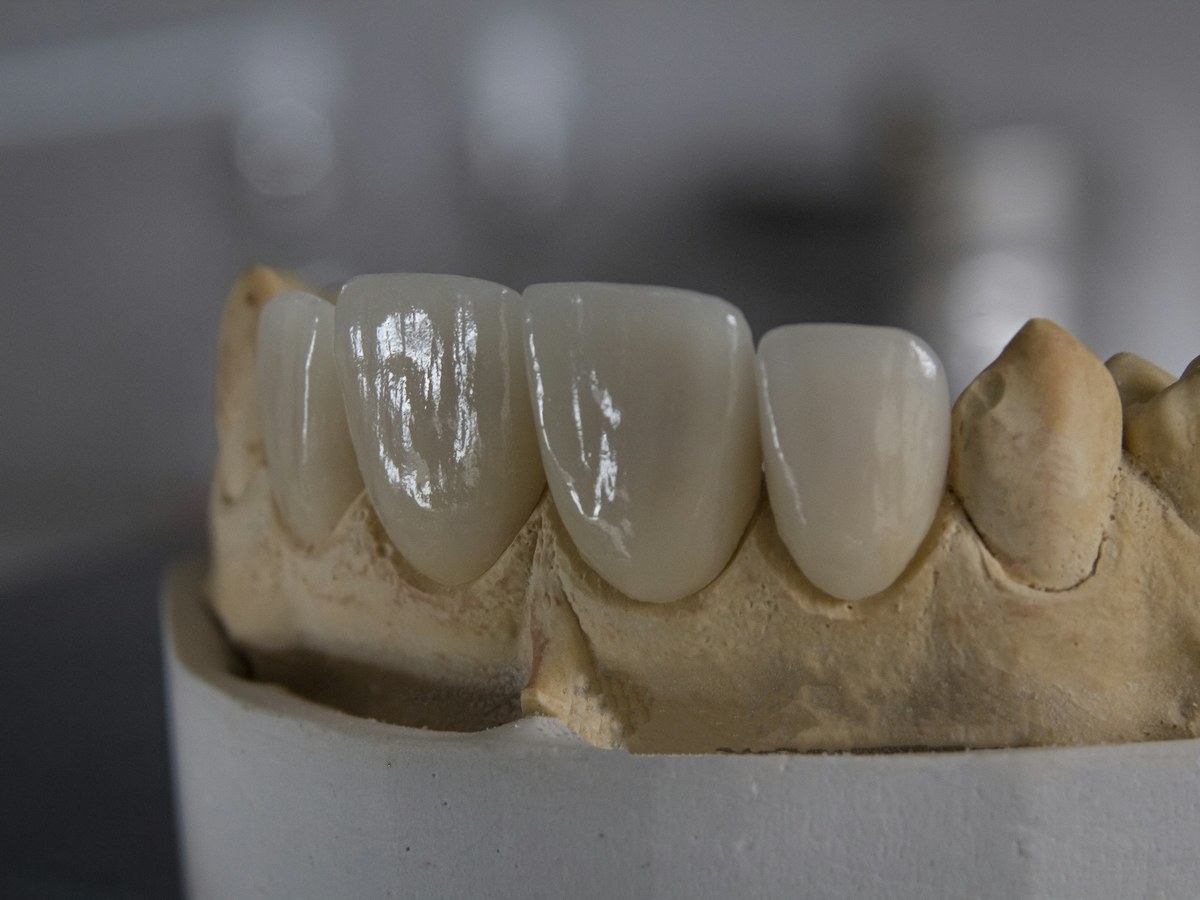
When a dentist places veneers, the visible front of the treated teeth is covered with porcelain or a similar restorative material chosen in a shade that suits the patient’s face, skin tone, age, and preferences. Once bonded into place, those veneers immediately change the appearance of the smile. There is no waiting period while bleach lifts stains over several days or weeks. The brightness is built into the restoration itself.
That is why people often describe veneers as an “instant whitening” option. From the patient’s perspective, the smile goes from darker, stained, uneven, or mottled to brighter and more polished in a single final placement visit. The transformation can be dramatic, especially when the starting point includes deep discoloration.
I have seen this matter most for people with stubborn intrinsic stains. These are not just surface stains from food or smoking. They can come from certain medications taken during tooth development, trauma to a tooth, enamel defects, or age-related darkening that does not respond evenly to bleach. In those cases, whitening can become an exercise in frustration. Veneers offer control where bleaching often offers only partial improvement.
The type of discoloration matters more than most people realize
Not all discoloration behaves the same way, and that often shapes the best treatment. Surface stains tend to respond better to whitening. Deep internal discoloration is more unpredictable. Teeth with patchy white spots, brown bands, gray undertones, or a history of trauma may whiten unevenly or not enough to satisfy the patient.
This is where a careful exam matters. A patient may come in saying, “I just want white teeth,” but what they actually need could be very different depending on the cause of the color problem. One person needs a cleaning and bleaching trays. Another needs bonding on a single dark front tooth. Another needs veneers because the enamel is worn, chipped, stained, and asymmetrical.
That is why a good cosmetic dentist will not jump straight to the most expensive option. They will first figure out whether the color issue is external, internal, localized, or part of a bigger aesthetic concern.
Veneers do more than whiten
One of the biggest reasons veneers remain popular is that they solve several cosmetic issues at once. Whitening changes color. Veneers can change color, shape, length, surface texture, and overall symmetry. They can close small gaps, reduce the look of minor crowding, and improve the balance between teeth that appear worn or uneven.
That combination is often the real reason patients choose them. Brightness may be the first thing they notice, but the result looks so striking because the smile becomes more harmonious overall. A tooth that is bright but too short, too narrow, or heavily chipped still draws the eye for the wrong reason. Veneers let the dentist address those issues together.
This is especially relevant in cosmetic cases involving the upper front six to ten teeth. If one tooth is much darker, one is rotated, one has edge wear, and two have old fillings that no longer match, simple whitening can leave the patient with a cleaner but still inconsistent smile. Veneers can unify the entire look.
What “instantly” really means in a dental office
Patients often use the word instantly to mean “right away,” but cosmetic dental treatment usually happens over more than one appointment. Veneers are fast in terms of final visual impact, not necessarily same-day in every case.
In a traditional veneer process, the dentist evaluates the smile, discusses shade goals, prepares the teeth conservatively, takes impressions or scans, and places temporary veneers if needed. The final veneers are then fabricated by a dental lab and bonded at a later visit. When the final placement happens, the bright new smile appears immediately. But the full process usually takes a couple of visits, sometimes more if planning is detailed or if gum contouring, bite adjustments, or trial mockups are involved.
Some offices offer same-day solutions in select cases, often using in-office milling technology, but not every patient is a candidate for that approach. Complex esthetic work often benefits from a skilled ceramist in a lab because fine details in color, translucency, texture, and facial harmony are hard to rush.
So yes, veneers can whiten a smile instantly at the moment they are delivered, but the planning behind that moment is what makes the result believable and durable.
Porcelain versus whitening trays, they are not interchangeable
Teeth whitening and veneers are sometimes discussed as if they are competing versions of the same treatment. They are not. They are different tools.
Whitening lightens natural tooth structure. It is less invasive, usually less expensive, and often the best first option for generally Veneers Oxnard CA healthy teeth with mild to moderate staining.
Veneers cover the front of the teeth with a man-made material. They are more involved and more costly, but they can fix problems whitening cannot touch.
A useful way to look at it is this: whitening improves what is already there, while veneers redesign what is visible.
For someone in Oxnard who has healthy enamel, even tooth shapes, and discoloration mainly from coffee, tea, or age, professional whitening may be all that is needed. For someone whose front teeth are stained, pitted, worn, and mismatched, veneers may produce a result that whitening simply cannot approach.
The shade question, brighter is not always better
A common misconception is that the best veneers are the whitest veneers. In practice, the most attractive smiles are usually not paper-white. They are bright, clean, and alive-looking. Natural teeth have depth, translucency, and subtle variation. If veneers are chosen in a shade that is too opaque or too stark, they can dominate the face and look artificial.
A good cosmetic dentist will guide patients through this. The right shade depends on facial features, age, lip line, skin tone, and how many teeth are being treated. A patient replacing eight upper front teeth can go brighter than someone veneering only two central incisors that must blend with adjacent natural teeth. The more visible the untreated neighboring teeth are, the more carefully the final shade must be chosen.
This is one place where expectations need honest management. Some patients bring in celebrity photos with intensely bright smiles, but those smiles are often shaped by lighting, filters, makeup, and extensive restorative work across many teeth. A realistic smile design should enhance the person wearing it, not make the dental work the first thing anyone notices.
Cases where whitening alone often falls short
There are several situations where bleaching may not give a satisfying result, even if the product is used correctly and consistently.
- Teeth with tetracycline or other deep intrinsic staining
- A single dark tooth after trauma or root canal treatment
- Enamel defects, pitting, or patchy white and brown spots
- Teeth that are worn, chipped, or misshapen in addition to being dark
- Old visible dental work that will not whiten with the surrounding teeth
These are the kinds of cases where veneers enter the conversation quickly. Not because whitening has no value, but because the patient usually wants a more complete cosmetic reset.
The trade-off people should understand before saying yes
Veneers can be beautiful, but they are not a casual decision. In many cases, some enamel must be reshaped to make room for the restoration. Modern techniques are often conservative, and there are no-prep or minimal-prep cases, but those are not appropriate for everyone. Once teeth are altered for conventional veneers, the patient is usually committing to maintaining restorations long-term.
That commitment includes future replacement at some point. Veneers are durable, especially porcelain veneers, but they do not last forever. Longevity depends on material choice, bite forces, oral hygiene, grinding habits, and the quality of the original treatment. Many last well over a decade, and some last considerably longer, but they should be thought of as long-term restorations, not permanent objects that never need attention.
This is where experience matters. The right patient is thrilled with veneers because the benefits justify the treatment. The wrong patient may have been better served by whitening, orthodontics, bonding, or a combination approach. Good dentistry is not just about what can be done. It is about what should be done.
What the consultation should cover
A real cosmetic consultation goes beyond “pick a white shade.” It should include photographs, bite analysis, gum assessment, and a discussion about what bothers the patient most. Sometimes the answer is not veneers at all. Sometimes it is whitening first, followed by contouring or bonding. Sometimes a patient who thinks they need veneers actually needs orthodontic movement to avoid overbuilding teeth.
The strongest veneer cases tend to have clear goals and healthy foundations. The gums should be stable. Decay should be treated. Grinding habits should be identified. If the patient clenches heavily at night, a night guard may be part of the long-term plan to protect the new work.
For anyone searching Veneers Oxnard CA, that planning stage is worth paying attention to. Cosmetic dentistry looks effortless when it is done well, but it is rarely simple behind the scenes. Shade mapping, temporary design, lab communication, and bite refinement all influence whether the result looks natural six months later instead of just exciting on delivery day.
Temporary veneers often tell you a lot
One practical detail patients appreciate is the role of temporaries. In many veneer cases, temporary restorations let you test-drive a brighter smile before the final porcelain is bonded. This is useful not only for appearance but also for speech, comfort, and smile confidence.
A patient may initially think they want an ultra-bright shade, then realize during the temporary phase that something slightly softer looks more sophisticated. Another may discover that a bit more tooth length improves the smile in photos. That trial period can prevent regret and lead to better final choices.
Temporaries are not perfect predictors of the final result, because porcelain has different optical properties, but they can be a valuable blueprint. Experienced cosmetic dentists use them strategically rather than treating them as an afterthought.
Whitening before veneers, sometimes yes, sometimes no
An interesting wrinkle in smile design is that whitening and veneers are often combined. If only some teeth will receive veneers, the dentist may whiten the natural teeth first so the restorations can be matched to a brighter overall baseline. This can reduce the number of veneers needed and create a more balanced result.
For example, if a patient plans veneers on the upper front six teeth but shows lower teeth prominently when smiling, whitening the untreated lower teeth first often makes sense. The same applies to upper premolars that may show in a broad smile but are not being veneered. If they remain several shades darker, the contrast can distract from even excellent veneer work.
That sequencing matters because veneers do not whiten later. Once they are made, their shade is fixed. If a patient later whitens neighboring natural teeth, the veneer color will not change to keep up.
Maintenance after the smile is brighter
One of the practical advantages of porcelain veneers is stain resistance. Porcelain generally holds color better than natural enamel, especially compared with teeth that pick up surface stains over time. That said, the surrounding natural teeth can still darken, and the margins around restorations still need excellent hygiene.
Patients with veneers should keep up with routine cleanings, use non-abrasive products when recommended, and avoid habits that risk chipping, such as biting ice or opening packages with their teeth. If they grind or clench, a night guard can extend the life of the work considerably.
Maintenance is not glamorous, but it is often the difference between veneers that still look elegant years later and veneers that start to look tired before their time.
Cost often enters the conversation, and rightly so
Veneers are a significant investment. Fees vary by region, provider experience, materials, and case complexity. In Oxnard, as in most markets, there can be a wide range. It is worth understanding exactly what the fee includes. Some practices build in diagnostic wax-ups, temporaries, multiple try-in stages, custom photography, and close lab collaboration. Others keep the process simpler.
Cheaper treatment is not always a bargain if the esthetics are weak or the bite is not handled carefully. On the other hand, not every patient needs a premium full-smile rehabilitation to get a meaningful improvement. A thoughtful dentist should be able to explain options honestly, including less invasive alternatives if they fit the case.
That transparency is one of the best signs you are in the right office. Cosmetic treatment should not feel like a sales pitch. It should feel like planning.
Who tends to be happiest with veneers
The happiest veneer patients usually share a few traits. They have specific concerns that veneers are uniquely suited to fix. They understand the treatment is restorative, not just whitening. They want a smile that is brighter and more refined, not necessarily flashy. And they are willing to maintain the result.
By contrast, patients who want a perfectly white smile but do not want any tooth alteration may be happier exploring whitening, orthodontics, or bonding first. Veneers are powerful, but they are best for the right reasons.
A dentist with cosmetic experience will often ask a deceptively simple Veneers Oxnard CA question: “What do you notice first when you look at your smile?” The answer reveals a lot. If the answer is color alone, whitening may deserve first consideration. If the answer includes shape, wear, gaps, uneven edges, and old restorations, veneers become much more compelling.
The real answer for Oxnard patients
So, can veneers in Oxnard CA whiten your smile instantly? Yes, in the sense that they can create an immediate brightening effect the day they are placed, often with a level of consistency and drama that bleaching cannot match. They are especially useful when discoloration is deep, uneven, or tied to other cosmetic issues like chipping, spacing, or worn enamel.
But the better question is whether veneers are the right way to whiten your smile. For some people, they are the ideal solution. For others, they are more treatment than necessary. The difference comes down to tooth condition, esthetic goals, bite, budget, and how much change is truly needed.
If you are exploring Veneers Oxnard CA, the smartest next step is not chasing the whitest shade. It is getting a careful evaluation from a dentist who understands both cosmetic design and restraint. Bright smiles attract attention. Natural-looking bright smiles earn trust. That is the standard worth aiming for.
Oxnard Dentistry
1730 E Gonzales Rd, Oxnard, CA 93036, United States
+1 805-307-8731
FAQ About Veneers Oxnard CA
How long do porcelain veneers last?
Porcelain veneers can last for many years, but they can chip, loosen, or wear over time. Their lifespan depends on factors such as your bite, whether you grind your teeth, and daily care. Regular dental visits let your dentist check their condition.
Are dental veneers permanent?
Traditional veneers often require removing a small amount of enamel, so that change to the tooth is generally irreversible. Veneers can still need repair or replacement. Ask your dentist how much preparation your teeth would require.
How much do veneers cost in Oxnard?
Cost depends on the material, how many teeth you want treated, and whether you need other dental work first. Ask for a written estimate that explains the price per tooth and what is included.