How to Know If Veneers in Oxnard CA Match Your Needs
A lot of people first ask about veneers when something about their smile has bothered them for years, but never quite enough to justify doing anything major. It might be a front tooth that chipped in college and never looked the same again. It might be small gaps that show up in every photo. Sometimes it is not one dramatic flaw at all, just a general Veneers Oxnard CA feeling that the teeth look uneven, worn, or darker than they should for someone who otherwise takes good care of them.
That is where veneers enter the conversation. They can produce a striking change, often with less treatment time than orthodontics or full restorative work. Still, veneers are not the right answer for everyone, and they are definitely not a decision to make based only on before-and-after photos online. If you are considering Veneers Oxnard CA, the real question is not whether veneers can make teeth look better. They usually can. The better question is whether they fit your goals, your oral health, your budget, and your tolerance for long-term maintenance.
The people happiest with veneers tend to be the ones who understand both what veneers do beautifully and what they do not fix. That difference matters.
What veneers actually are, and what they are not
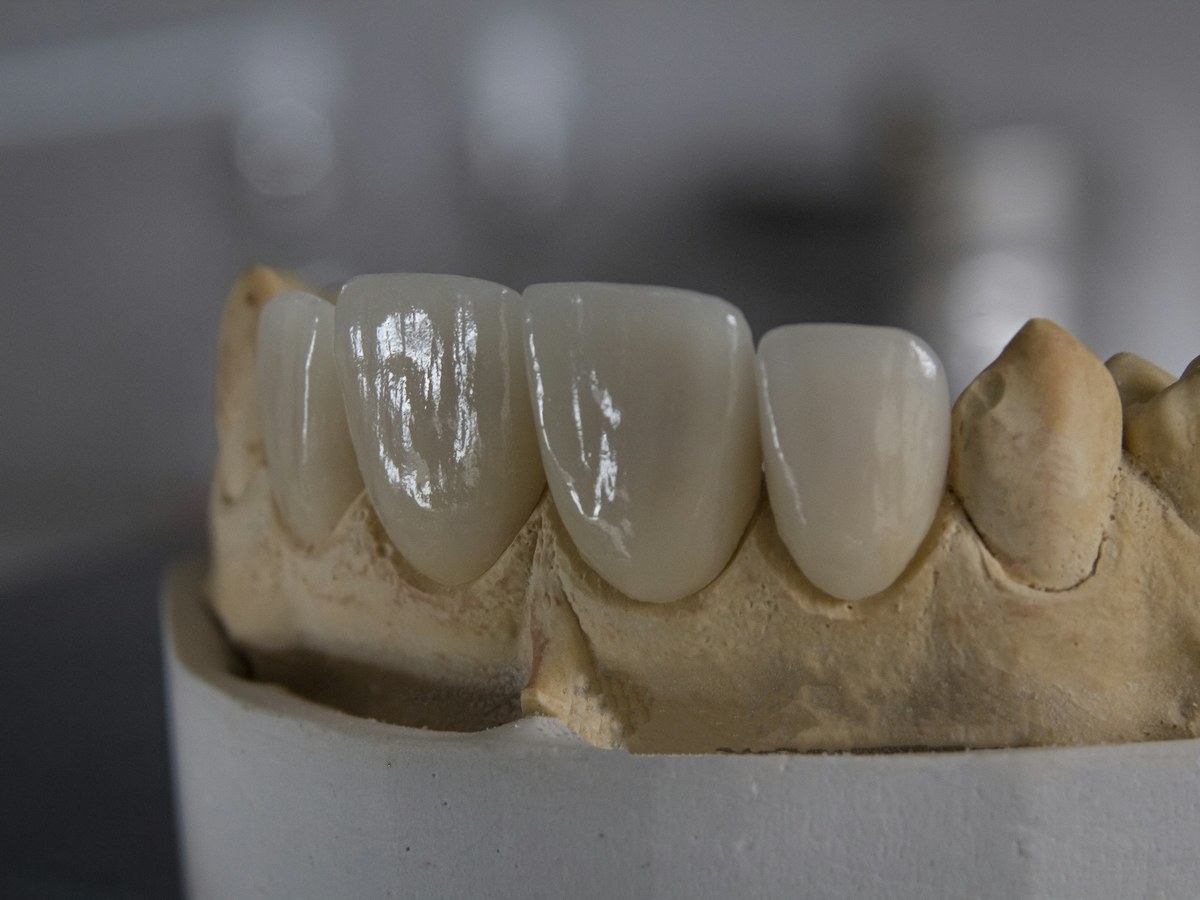
A veneer is a thin shell, usually made of porcelain or a composite material, bonded to the front surface of a tooth. Its job is cosmetic. Veneers can improve the shape, size, color, and overall symmetry of visible teeth, most often the upper front teeth and sometimes the lower front teeth as well.
What surprises many patients is that veneers are not a universal repair tool. They do not strengthen a tooth the way a crown is meant to restore a badly damaged one. They do not correct active gum disease. They do not stop teeth grinding. They do not straighten severe crowding at the root level. A veneer can change what the tooth looks like from the front, but it does not change everything about the bite or the health of the mouth.
That distinction becomes especially important when someone comes in wanting a cosmetic shortcut for a problem that is partly cosmetic and partly structural. A patient may say, “I just want these front teeth to look straight,” but on examination, the issue is not only alignment. The bite may be edge-to-edge, or the enamel may already be thin from grinding. In that situation, veneers may still be possible, but the plan needs more thought than simply placing porcelain on top.
The signs veneers may fit your goals well
Veneers tend to work best when the underlying teeth are healthy enough to support them, and the main concern is appearance rather than major function. In practice, the strongest candidates usually share a few traits.
- They dislike the color, shape, spacing, or minor misalignment of visible teeth.
- They want a noticeable cosmetic improvement within a relatively short timeframe.
- Their enamel and gum health are in stable condition.
- Their bite is reasonably controlled, or they are willing to protect the veneers with a night guard if needed.
- They understand that veneers are an elective cosmetic treatment with maintenance over time.
If that sounds like you, veneers may be worth serious consideration. If it does not, that does not mean you are out of options. It usually means another treatment, or a sequence of treatments, may serve you better.
The problems veneers solve especially well
Some cosmetic issues respond extremely well to veneers, and this is where their reputation comes from.
Teeth with deep internal stains are a common example. Whitening can do a good job on many surface stains, especially those linked to coffee, tea, red wine, or normal aging. But not every discoloration behaves the same way. Teeth darkened by trauma, certain medications, old dental work, or uneven enamel can be stubborn. In those cases, whitening may leave you frustrated. A veneer can create a more even and predictable color.
Small chips and worn edges are another good use. A slightly shortened front tooth can make an entire smile look older or less balanced. Porcelain can restore that edge very precisely, and a skilled dentist or ceramist can make it look natural rather than blocky or overly perfect.
Veneers also do well with minor spacing and shape differences. One of the most common cosmetic complaints is not severe crowding, but little asymmetries people notice every day in the mirror. A tooth may be slightly too narrow, too short, or turned just enough to catch light differently than the neighboring teeth. Orthodontics can move teeth, but it does not change tooth shape. Veneers can do both visually, especially in the smile zone.
When veneers may not be the best first move
There are cases where veneers can be done, but probably should not be the first recommendation. This is the part many people skip, and it is often where the smartest decisions are made.
If your teeth are healthy but significantly crooked, Veneers Oxnard CA clear aligners may be the cleaner first step. Moving teeth into better position can preserve more natural enamel and create a more stable bite. In some situations, a short course of orthodontics followed by very conservative bonding or one or two veneers produces a better result than placing veneers on several teeth.
If the main complaint is color alone, professional whitening is usually worth exploring before committing to veneers. It is more conservative and far less expensive. Some people assume veneers are the premium option and therefore the best option. That is not always true. Sometimes whitening gets a patient 80 to 90 percent of the result they wanted.
If you clench or grind heavily, the discussion changes. Bruxism places strong forces on front teeth, especially during sleep. Veneers can still be successful in patients who grind, but only if the risk is recognized and managed. That may involve a protective occlusal guard, bite adjustment, or in some cases reconsidering the treatment entirely. Ignoring a heavy bite is how people end up with chipped porcelain and disappointment.
Active decay, inflamed gums, or poor hygiene also need attention first. Cosmetic dentistry lasts longer and looks better in a healthy mouth. Veneers placed over unresolved problems are expensive camouflage.
The enamel question matters more than most people realize
When people hear “veneers,” they often imagine a simple cover placed over a tooth. Sometimes the preparation really is minimal. Other times a small amount of enamel must be reshaped so the veneer fits naturally and does not look bulky. The amount removed depends on the case, tooth position, material choice, and treatment style.
That is why your natural enamel matters so much. Bonding to enamel is generally more predictable than bonding to exposed dentin. Patients with strong enamel, minimal old fillings on front teeth, and healthy gums tend to be better veneer candidates. If a front tooth already has a large filling, repeated repairs, or structural weakness, a crown may end up being the more appropriate restoration.
This is also where expectations need to stay realistic. Some patients want dramatic changes in width, rotation, and shade while also wanting “no-prep” veneers on every tooth. Those goals can conflict. The less tooth reduction involved, the more the final result depends on the starting position and contour of the natural teeth. Very conservative treatment can be excellent, but it is not magic.
Cosmetic goals should be specific, not vague
One practical way to know if veneers match your needs is to define exactly what bothers you. Not “I hate my smile,” but something more precise. Do you want a whiter smile that still looks age-appropriate? Do you want to close spaces? Do you want front teeth to look less worn? Do you want all visible upper teeth to match better in photos?
Patients who can identify the problem usually make better treatment decisions. Patients who speak only in general terms sometimes chase the wrong solution. I have seen people pursue veneers because they felt their smile looked “tired,” when what they really noticed was lip support changing with age, or uneven gum levels, or old bonding that had picked up stain. Veneers may be part of the answer, but not always the whole answer.
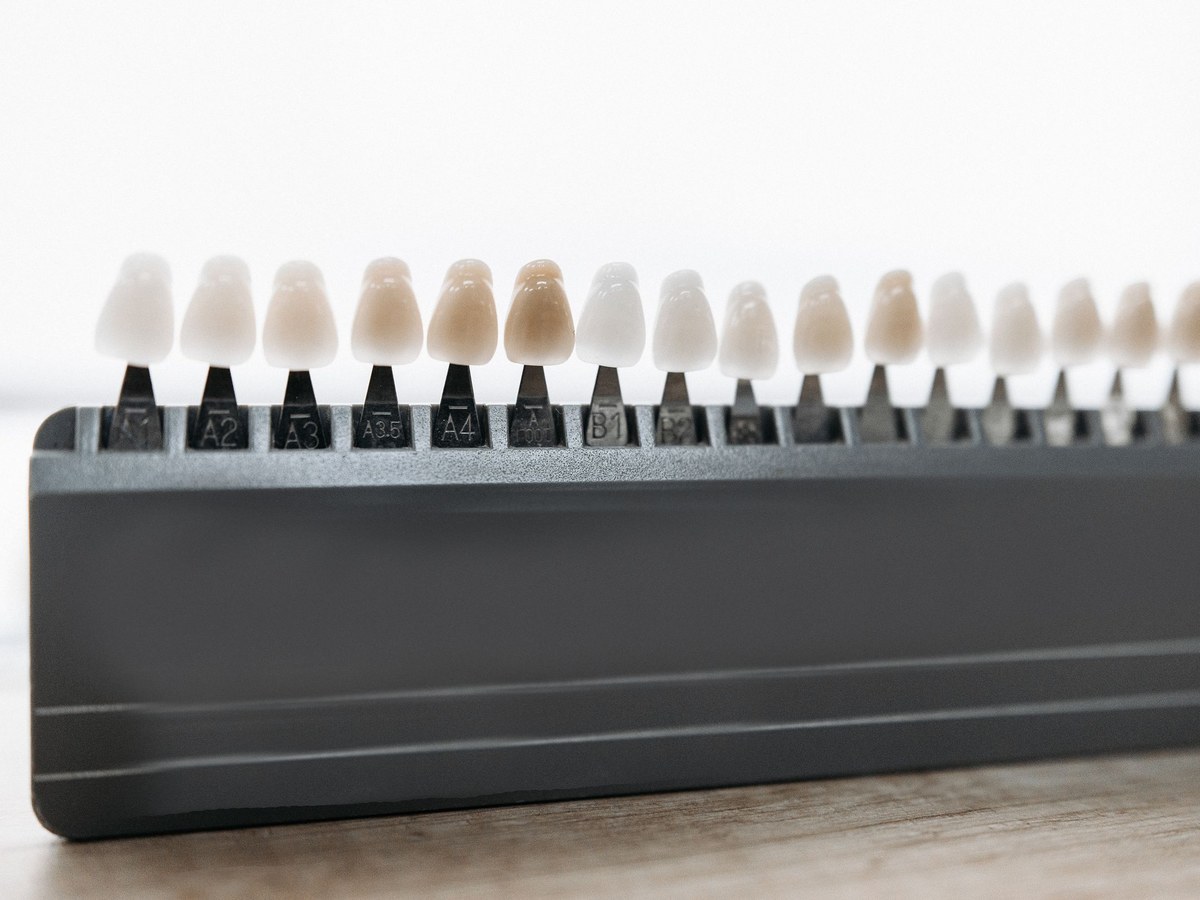
A good cosmetic consultation often involves mirrors, photographs, and mockups. That process is not sales theater when done correctly. It helps translate vague dissatisfaction into a concrete treatment plan. Sometimes the best outcome is six veneers. Sometimes it is two veneers and whitening. Sometimes it is orthodontics first. Clarity saves money and enamel.
The financial side deserves an honest look
Veneers are elective dentistry, and cost is part of whether they truly suit your needs. Most patients paying for veneers are doing so partly or entirely out of pocket. Insurance coverage, when it exists, is usually limited because the treatment is cosmetic.
The total cost depends on how many teeth are treated, the material used, the complexity of preparation, whether temporaries are needed, and the level of customization in the lab work. In a place like Oxnard, fees can vary significantly from office to office. Lower pricing does not automatically mean poor quality, and higher pricing does not automatically guarantee artistry. But cosmetic dentistry is one area where experience, planning, communication with the lab, and aesthetic judgment really do affect the result.
Think beyond the first fee. Veneers are durable, but they do not last forever. Porcelain veneers often last many years with good care, yet replacement is part of the long-term reality. Composite veneers usually cost less upfront, but they may stain or chip sooner and require more maintenance. Neither fact makes one universally better. It simply means your budget should include the lifecycle of the treatment, not just the starting point.
Oxnard lifestyle factors that can influence your decision
Local habits and environment can shape how practical veneers are. Oxnard patients who surf, play contact sports, or spend long hours outdoors sometimes place unusual demands on their teeth. Mouth breathing during intense activity, frequent acidic drinks, dehydration, and sports-related trauma can all affect oral wear and restoration longevity.
Diet also matters more than people think. If you sip iced coffee all morning, snack often on acidic foods, or chew ice when stressed, those habits can shorten the lifespan of cosmetic work. Veneers do not require a joyless diet, but they do reward common-sense habits.
For people seeking Veneers Oxnard CA, another practical consideration is follow-up access. Cosmetic cases often benefit from adjustments, bite checks, and ongoing maintenance. It helps to work with a local dentist you can see without much friction, rather than treating veneers like a one-time purchase and disappearing until something chips.
The smile you want should still look like you
One of the clearest signs veneers fit your needs is that you want refinement, not reinvention. The best veneer cases often go unnoticed by casual observers. Friends may say you look healthier, more rested, or more confident without immediately identifying the reason.
That usually happens when the final design respects the patient’s face, age, lip movement, skin tone, and personality. Ultra-bright, perfectly square teeth can look impressive in a close-up photo and slightly strange in everyday life. Natural smiles have variation. Incisal edges are not identical. Surface texture affects how teeth reflect light. Proportions matter.
Patients who bring in celebrity photos are not doing anything wrong, but those images should start a conversation, not dictate a copy. The right shade and shape for someone in their late twenties with broad facial features may not suit someone twenty years older with finer features and a different lip line. Cosmetic success is not about chasing an internet template. It is about harmony.
Questions worth asking at a veneer consultation
A consultation should leave you better informed, not pressured. If you are evaluating Veneers Oxnard CA, ask direct questions and listen closely to how the dentist answers. A thoughtful provider should be able to explain the rationale behind the plan, not just show polished images.
- How much tooth structure would likely need to be reshaped in my case?
- Are veneers the most conservative option for my goals, or should I consider whitening, bonding, or aligners first?
- What risks do you see related to my bite, grinding, old fillings, or gum health?
- Can I preview the proposed shape and length before the final veneers are made?
- What kind of maintenance and likely future replacement should I expect?
The quality of the answers matters as much as the answers themselves. If every concern is dismissed with “don’t worry, it’s easy,” be careful. Cosmetic dentistry is not mysterious, but it is nuanced.
Temporary veneers and mockups can tell you a lot
Many patients do not realize how much useful information comes from the trial phase. Temporaries, prototypes, or mockups are not just placeholders. They let you test speech, edge length, overall shape, and comfort before the final restorations are bonded.
This stage often reveals things that are hard to predict from digital images alone. A patient may love a certain look in a photo simulation, then find the teeth feel too long when speaking. Another may ask for very white veneers, then decide a slightly softer shade looks more believable against their complexion. Those adjustments are normal.
If you are uncertain whether veneers match your needs, ask whether the office uses wax-ups, provisional restorations, or smile previews in appropriate cases. Seeing and wearing a version of the plan can turn a vague yes-or-no decision into something much more grounded.
Composite vs porcelain, and why the difference matters
Not every veneer is porcelain, and the material choice changes both the experience and the long-term trade-offs.
Porcelain veneers are prized for their durability, stain resistance, and ability to mimic enamel. They often provide the most refined aesthetic result, especially in cases involving several front teeth. The process usually takes more than one visit and involves lab fabrication. The fee is typically higher, but many patients feel the longevity and appearance justify it.
Composite veneers can often be done more quickly, sometimes in a single visit depending on the case. They tend to cost less, and they are easier to repair if chipped. They can be an excellent option for selective improvements or for patients who want a more conservative financial commitment. The trade-off is that composite generally does not hold polish and color as long as porcelain.
Neither choice is universally superior. It depends on your priorities. If your goal is the most lifelike, stable cosmetic result on multiple visible teeth, porcelain often leads the discussion. If your needs are more limited or budget-sensitive, composite may be a sensible fit.
Personality and habits matter almost as much as teeth
This part rarely makes it into marketing, but it should. Veneers suit some personalities better than others.
If you are detail-oriented and likely to notice every tiny asymmetry, you need a dentist who welcomes that level of dialogue and planning. If you are low-maintenance and mainly want your smile to look cleaner and brighter without obsessing over millimeters, that should shape the treatment approach too.
Your habits count as well. People who wear retainers consistently, use night guards when prescribed, keep recall visits, and avoid destructive chewing habits tend to do well with veneers. People who use front teeth to open packaging, skip cleanings for years, or ignore grinding are not ideal candidates, even if the teeth look treatable on day one.
A veneer case does not end when the cement sets. The relationship between your habits and the restorations continues every day after that.
Emotional readiness is part of the decision
Cosmetic dentistry changes something highly personal. For some people, that feels exciting. For others, it brings an unexpected level of stress. They worry the smile will look fake, or too different, or not different enough to justify the cost.
That reaction is normal. If you are already uncertain, take that uncertainty seriously. Veneers should feel like a considered step, not a pressured leap. Good candidates usually reach a point where the likely benefit clearly outweighs their hesitation. They still have questions, but the questions are practical, not panicked.
When the motivation comes from your own preferences, veneers tend to feel rewarding. When the motivation comes mainly from comparison, a partner’s comment, or social media pressure, satisfaction becomes less predictable. Cosmetic treatment works best when the goal is rooted in your daily life, your comfort, and your version of confidence.
A practical way to decide
If you are still sorting out whether veneers are right for you, narrow the decision to three simple tests.
First, ask whether the main problem is something veneers specifically solve well, such as persistent discoloration, chips, shape issues, or minor spacing. If yes, they remain in the running.
Second, ask whether your teeth and gums are healthy enough, and your bite stable enough, to support the investment. That takes an exam, not a guess.
Third, ask whether you are comfortable with the long-term commitment. Veneers can look excellent for years, but they require care, protection, and eventual replacement.
When those three pieces line up, veneers often make sense. When even one is shaky, it is worth slowing down and exploring alternatives. The smartest cosmetic dentistry is not the most aggressive plan. It is the plan that gives you the improvement you want with the least unnecessary sacrifice of healthy tooth structure.
For many people considering Veneers Oxnard CA, that means a careful consultation, a realistic review of options, and a willingness to think beyond the immediate photo result. A great smile is not just one that looks better on day one. It is one that still feels like a sound decision years later.
Oxnard Dentistry
1730 E Gonzales Rd, Oxnard, CA 93036, United States
+1 805-307-8731
FAQ About Veneers Oxnard CA
How long do porcelain veneers last?
Porcelain veneers can last for many years, but they can chip, loosen, or wear over time. Their lifespan depends on factors such as your bite, whether you grind your teeth, and daily care. Regular dental visits let your dentist check their condition.
Are dental veneers permanent?
Traditional veneers often require removing a small amount of enamel, so that change to the tooth is generally irreversible. Veneers can still need repair or replacement. Ask your dentist how much preparation your teeth would require.
How much do veneers cost in Oxnard?
Cost depends on the material, how many teeth you want treated, and whether you need other dental work first. Ask for a written estimate that explains the price per tooth and what is included.